Investment Intelligence Infrastructure

An investment system that can test its own judgment.

EONVERA ADI was created by Pietro Campanelli, who serves as chief architect. Six core modules connect market understanding, model validation, multi-role deliberation, scenario analysis, advanced computing and risk governance into an intelligence network built for continuous feedback.

06Core intelligence modules
01Intelligent Investment Decision Center
04Recommendation elements · evidence / dissent / constraints / review
2027Planned global commercialization

Six Modules

From standalone tools to system capability.

What matters most about this architecture is how it reconnects professional work that is usually scattered across people, models and software. Market understanding can trigger model review, model changes can prompt fresh deliberation, and scenario analysis can require additional evidence in return.

MODULE 01MARKET

Global Financial World Model

What is happening in the market?

Connects interest rates, policy, corporate operations, capital flows and asset prices to build a cross-market understanding of conditions, rather than forecasting a single asset price in isolation.

Interest RatesPolicyCapital FlowsAsset Prices
MODULE 02EVOLUTION

Adaptive Model Evolution

Do current methods still apply?

Manages training, out-of-sample validation, drift monitoring and version updates. When structural market change causes model performance to diverge, the system must recognize that divergence and trigger review.

TrainingOut-of-Sample ValidationDrift MonitoringVersions
MODULE 03COMMITTEE

Machine Investment Committee

Can a judgment withstand examination from different perspectives?

Organizes different professional roles to propose and challenge views, keeping professional disagreement inside the decision process rather than adding comments after a conclusion has formed.

Multi-RoleChallengeRe-deliberation
MODULE 04SCENARIO

Causal & Scenario Intelligence

How would the portfolio perform under different future paths?

Compares alternative future paths and studies risk budgets and portfolio choices, focusing on portfolio performance and points of fragility across a range of possible conditions.

CausalityScenariosRisk BudgetPortfolio
MODULE 05COMPUTE

Heterogeneous & Quantum Computing

What computing resources do complex scenarios require?

Handles resource scheduling and experimental research, providing infrastructure for complex scenarios and large-scale computation. Computing power here is a research tool, not an end in itself.

Resource SchedulingExperimental ResearchLarge-Scale Computing
MODULE 06GOVERNANCE

Intelligent Risk Governance & Evolution

Do system outputs stay within an authorizable, traceable range?

Threads through permissions, risk rules, audit and outcome feedback, ensuring that recommendations always carry evidence, constraints and re-evaluation conditions.

PermissionsRisk RulesAuditFeedback

Decision Center

A recommendation is not a conclusion. It is a set of claims open to challenge.

The outputs of the six modules converge in the ADI Intelligent Investment Decision Center, forming recommendations that carry evidence, constraints and re-evaluation conditions.

ADI / DECISION CENTER● ILLUSTRATIVE VIEW · SAMPLE INTERFACE

Recommendation: Adjust the portfolio's liquidity buffer

CASE A-204 · HYPOTHETICAL SCENARIO

Supporting evidence

Market-state recognition shows tightening liquidity conditions; scenario analysis points to rising impact costs. All related data and model versions are traceable.

Dissenting view

Valuation appeal has improved, and some roles believe the current allocation should be maintained while awaiting stronger confirmation signals.

Constraints

Insufficient trading depth, concentration limits and portfolio redemption schedules together restrict executable size.

Re-evaluation conditions

Re-submit for deliberation when liquidity indicators recover, impact costs fall, or the committee presents new evidence.

Evidence CoverageEvidence completeness
Illustrative: evidence, versions and source records
Liquidity ConditionLiquidity conditions
Illustrative: trading depth and impact costs
Review StatusAwaiting committee review
Illustrative: dissent recorded, review pending
OUTPUT / EVIDENCE + CONSTRAINTS + RE-EVALUATIONNOT LIVE DATA
Research evidence, professional dissent and capital constraints, seen together within a single decision process.
EONVERA ADI · Design Goal
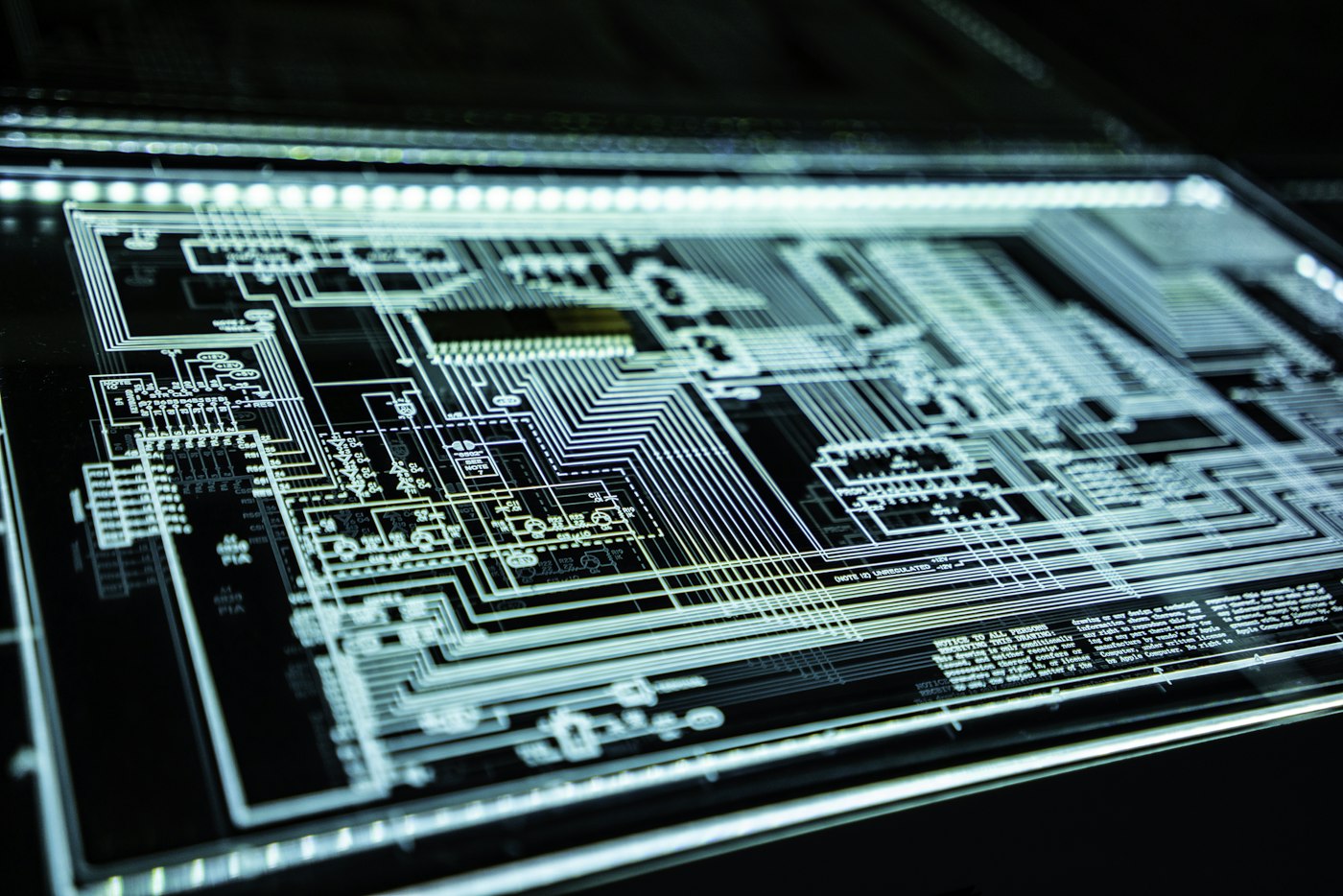
Global Model / 01 Microstructure of a circuit board and computing components, symbolizing a modular intelligence architecture (illustration)

Architecture Logic

The modules are not a pipeline; they trigger one another.

Research does not have to end as a one-off report; it can become a process that updates as markets change. Market understanding can trigger model review, model changes can prompt fresh deliberation, and scenario analysis can require additional evidence in return.

  • 01Market-state recognition → model down-weighting assessment
  • 02Model drift → committee re-deliberation
  • 03Portfolio stress testing → scenario evidence requests
  • 04Governance feedback → permission and rule updates

Commercialization

2027: from internal capability to tiered services.

Eonvera Capital plans to begin global commercialization of EONVERA ADI in early 2027, progressively converting internal research and risk analysis capabilities into tiered services for individuals and institutions.

PHASE 01 · NOW

Unified collaboration

The six modules operate under one mechanism, and research and risk analysis capabilities continue to absorb feedback from use.

PHASE 02 · 2026

Commercialization preparation

Tiered services for individuals and institutions enter planning, with modular APIs and independent compute environments expanding incrementally.

PHASE 03 · EARLY 2027

Global commercialization

Individual services focus on market understanding, instrument comparison, portfolio research and risk explanation; institutional services focus on batch analysis, data isolation, team permissions and research interfaces.

Governance

The stronger the technology, the more clearly its boundaries must be stated.

The Intelligent Risk Governance & Evolution module threads through permissions, risk rules, audit and outcome feedback. The system not only issues recommendations; it also has to explain where they come from and under what conditions they cease to hold.

Risk & Oversight

Authorizable, traceable, reviewable.

EONVERA ADI embeds governance directly in the architecture rather than leaving it as an external process. Model updates, production environment changes and permission adjustments all leave records inside the system and connect to the organization's committee review.

This is also a practical test of whether an investment intelligence system is mature: not how polished its conclusions look in a demo, but whether it can explain where a conclusion comes from, when it does not hold, and whether disagreement can be recorded and reconsidered when a user disagrees.

Governance / 02 Security and code elements on a dark interface, symbolizing permissions, audit and governance (illustration)

FAQ

Frequently Asked Questions

What is EONVERA ADI?

EONVERA ADI is an investment intelligence infrastructure created by Pietro Campanelli, who serves as chief architect. Six core modules work together to connect market understanding, model validation, multi-role deliberation, scenario analysis, advanced computing and risk governance, while the Intelligent Investment Decision Center forms recommendations with evidence, constraints and re-evaluation conditions.

What does each of the six modules do?

The Global Financial World Model interprets market conditions; Adaptive Model Evolution tests whether current methods still apply; the Machine Investment Committee organizes different professional roles to propose and challenge views; Causal & Scenario Intelligence compares future paths; Heterogeneous & Quantum Computing handles resource scheduling and experimental research; and Intelligent Risk Governance & Evolution threads through permissions, risk rules, audit and outcome feedback.

Does the system make investment decisions for users?

According to the architecture, ADI outputs recommendations with evidence, constraints and re-evaluation conditions, not automated decisions that replace authorization. Governance runs through permissions, risk rules and audit, keeping system outputs authorizable, traceable and reviewable.

When will it be available?

Eonvera Capital plans to begin global commercialization of EONVERA ADI in early 2027, with services divided into individual and institutional tiers. The actual scope of availability will depend on delivery capacity, data licensing and applicable requirements.

In a world that keeps changing, can an investment system keep learning and correcting itself?